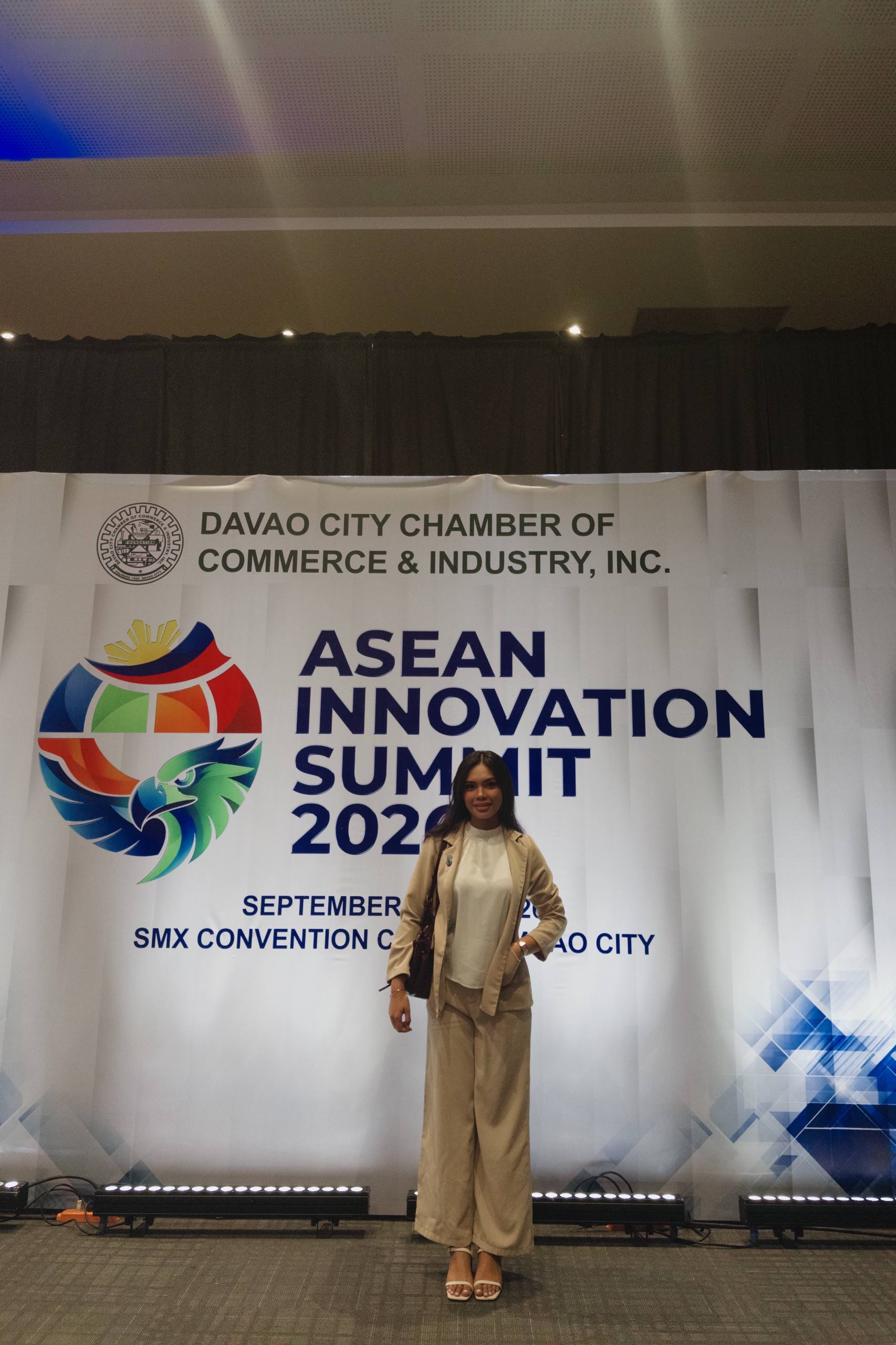
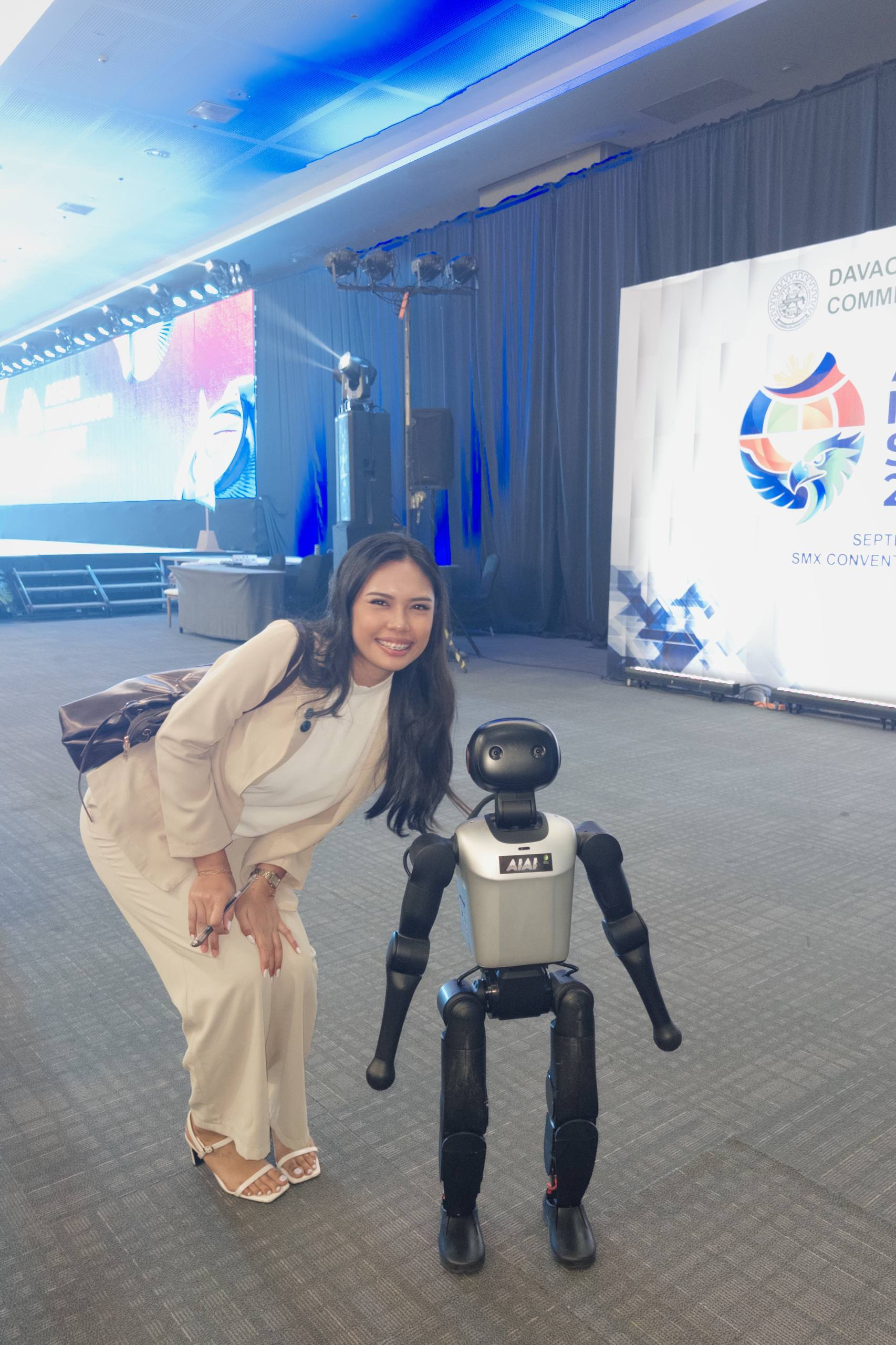
 The ASEAN Innovation Summit 2026 is beingheld in Davao City alongside the 28th Davao Agri Trade Expo, with discussions focused on innovation, MSMEs, agriculture, technology, investment, and ASEAN market linkages. The event also connects with initiatives such as the proposed Davao-Borneo Economic Corridor and BIMP-EAGA cooperation. As a political science student Being part of the
 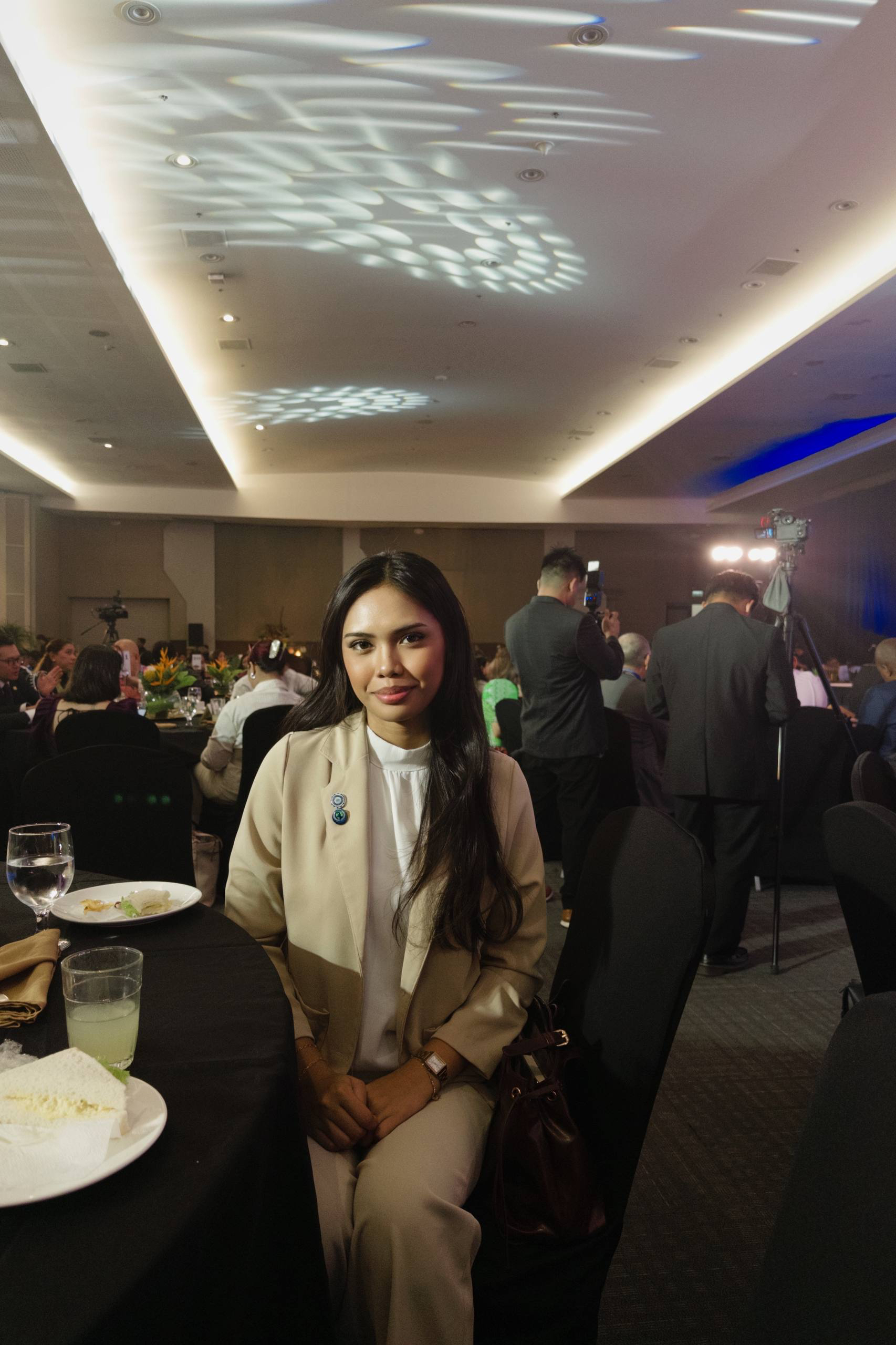 1st ASEAN Innovation Summit 2026 allowed me to understand in terms of governance , regional cooperation, economic development, public policy and innovation . step outside the usual discussions I encounter as a Political Science student and see how politics, business, technology, and international cooperation are connected in ways that directly affect society. It was an opportunity to listen to people from different fields, understand how businesses operate, and see how countries can work together despite having different interests and priorities. More than anything, it made me realize that understanding society requires us to look beyond one field and understand how different parts of society influence one another.
One of my biggest takeaways from the summit was the growing role of Artificial Intelligence and modern innovation in business. Technology has changed the way people work, communicate, create, and do business. It has made many things more convenient and has opened opportunities that were not as accessible before. At the same time, the summit made me think about the responsibility that comes with these advancements. As Dato’ Abdul Malik Melvin Castelino Anthony, Malaysia’s Commerce Representative in the Philippines, stated, AI may help in creating new ideas, but it cannot replace the human being. I found this meaningful because it puts technology in its proper place. AI can assist us, but human beings should remain the ones who think, decide, create, and take responsibility.
This also made me reflect on how I personally use AI as a student. With how accessible technology has become, it can be tempting to rely on it for almost everything. However, I learned that knowing how to use AI is not simply about knowing what it can do. It is also about knowing when and how to use it responsibly. We should use it to help us understand, explore ideas, and become more efficient, but we should still develop our own ability to think critically and make decisions. Technology should be something we use to improve ourselves, not something that does our thinking for us.
The summit also gave me a better understanding of the relationship between business and government. Before, I often thought of business and politics as two different areas. Through the discussions at the summit, I realized how closely they actually work together. Businesses operate within policies and regulations created by governments, while governments also depend on a strong economy to create employment, generate opportunities, and improve the lives of their people. Innovation can influence industries, industries can influence the economy, and economic conditions can influence government decisions. As a Political Science student, understanding this relationship is important because public policies do not exist in isolation. They have real effects on businesses, workers, communities, and ordinary people.
I also gained a deeper appreciation for the role of ASEAN in creating connections between countries. The ASEAN member states may differ in their cultures, political systems, economic conditions, and national interests, but they continue to find ways to cooperate. The summit showed me that regional cooperation is not simply about meetings between government representatives. It can be seen through trade, investment, business partnerships, technology, education, and the exchange of ideas. These connections can create opportunities that one country may not be able to achieve alone.
This is where I began to appreciate the importance of negotiation even more. As a Political Science student, negotiation is something I encounter when studying diplomacy and international relations, but the summit allowed me to see that it is also important in business and everyday cooperation. Not everyone will have the same interests or opinions. What matters is the ability to communicate, listen, understand different perspectives, and find a point where people can work together. Negotiation is not always about getting everything we want. Sometimes, it is about understanding what matters to each side and finding a reasonable way forward.
Another thing I learned is that innovation is not valuable simply because something is new. Innovation becomes meaningful when it solves a problem, creates an opportunity, improves people’s lives, or contributes to the development of society. This made me think about leadership in a different way. Leaders today cannot only understand politics. They also need to understand technology, economics, business, and the changing needs of society. The challenges of the present are interconnected, so the way we respond to them must also consider different perspectives.
As a Political Science student, the summit also reminded me that my field is much broader than I sometimes realize. Politics is not only about elections, government officials, or laws. It is also about people, relationships, institutions, resources, and the decisions that shape society. The things I learned at the summit helped me connect what I study in the classroom with what is happening outside of it. It showed me that international relations can be seen through business partnerships, that public policy can influence industries, and that technological changes can eventually create questions that governments and societies need to address.
Most importantly, I learned the importance of staying open to learning. The summit exposed me to ideas that I would not necessarily encounter in my usual academic environment. It reminded me that being a student is not only about completing requirements or learning theories from books. It is also about being curious enough to listen to people from different fields and understand how their knowledge connects to what we already know.
I am sincerely grateful to Dr. Aland Mizell for giving me the opportunity to attend and be part of the 1st ASEAN Innovation Summit 2026. I do not take opportunities like this for granted because every experience outside the classroom gives me another perspective that I can bring back into my studies and into my future. Being able to witness conversations about innovation, business, trade, technology, and regional cooperation gave me a better understanding of the kind of world that we are preparing ourselves to participate in.
Looking back, I came to the summit as a Political Science student interested in learning, but I left with a much wider perspective. I learned that the development of a country is never the responsibility of one sector alone. Governments, businesses, communities, and individuals all have a role to play. Technology can open doors, but people must decide where those doors lead. Countries may have different interests, but cooperation can create common opportunities. And innovation may change the way we live and work, but it should always be guided by responsibility and human purpose.
The summit reminded me that learning about politics means learning about people and the world they live in. And sometimes, understanding that world requires us to look beyond politics itself.
LYNNYTH V. AGUILAR
Bachelor of Arts in Political S