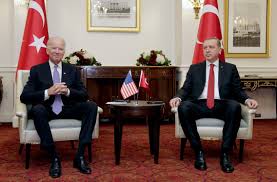
 At the G-20 Summit in Hangzhou, the leaders of the world’s 20 major economies discussed a numbers of issues from trade protectionism, competitive currency devaluation, energy security, sustainable development, and monetary and structural reform policies to boost global GDP growth. It is impossible that those meeting at the summit are not aware of how much economic and financial stability depends on the safety and stability of the world. The international group of today is the expanded G- 20, which is very large including emerging powers like China and India, making them agree with much less. They do not have any common vision for the future. American domination is fading fast. In the Middle East terror groups occupy two countries, Syria and Iraq. Russia has already paralyzed Ukraine and is bombing the Syrian people. China is challenging America and its power in East Asia. Yet, Obama has not done anything to solve the world’s most complex issues. Few have any respect for the American President, because it is clear that President Obama put America on sale. Continue reading


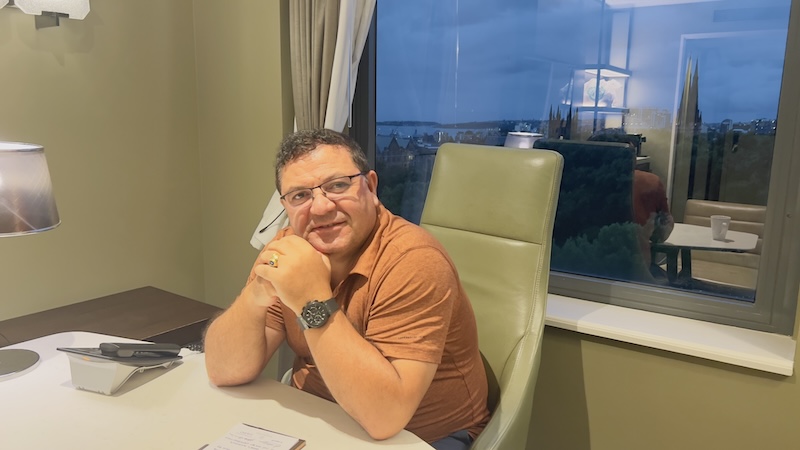
Meet the Author
Dr. Aland Mizell is with the University of Mindanao School of Social Science, President of the MCI and a regular contributor to The Kurdistan Tribune, Kurdishaspect.com, Mindanao Times and Kurdish Media.You may email the author at:aland_mizell2@hotmail.com.Categories